
Hello world!
Welcome to WordPress. This is your first post. Edit or delete it, then start writing!
Read More →
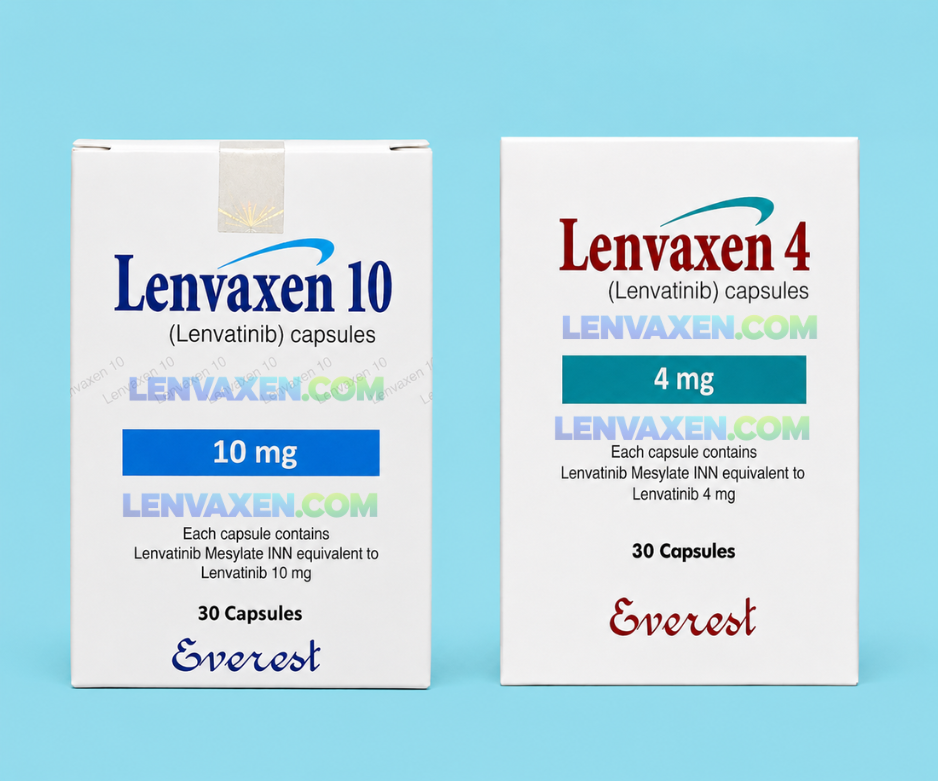
Lenvaxen is presented on this website as a product containing lenvatinib in stated strengths of 4 mg and 10 mg. Lenvatinib is an orally administered anticancer medicine belonging to the receptor tyrosine kinase inhibitor (RTKI) class.
The specific manufacturer, marketing authorization holder, dosage form, packaging and regulatory status of the Lenvaxen-branded product should be verified against the actual product packaging and applicable regulatory documentation before publication.
Everest Pharmaceuticals Ltd. is a pharmaceutical manufacturer based in Bangladesh. The company is involved in the development, production, and marketing of pharmaceutical products, including medicines used in specialized therapeutic areas.
Everest Pharmaceuticals focuses on manufacturing quality medicines for the healthcare market and offers a range of products, including treatments used in oncology and other medical fields. Its product portfolio includes various generic medicines formulated for patients and healthcare providers.
Company Name: Everest Pharmaceuticals Ltd.
Industry: Pharmaceutical Manufacturing
Country: Bangladesh
Business Activities: Manufacturing, marketing, and distribution of pharmaceutical products
Product Areas: Includes specialized and general pharmaceutical medicines
Quality Focus: Product manufacturing and quality-control processes are intended to support medicine quality, safety, and regulatory compliance.
For product-specific information, it is important to check the official packaging, product insert, batch details, and manufacturer information, as formulations and regulatory status may vary by product and market.
Head Office: Everest Pharmaceuticals Ltd. is located at Rahman’s Regnum Centre (10th & 11th floor), 191/1 Tejgaon Commercial Area, Dhaka-1208, Bangladesh.
Manufacturing Plant: Everest Pharmaceuticals Limited B-33, 45 & 46, BSCIC, Kanchpur, Narayanganj–1430, Bangladesh.
Lenvatinib is a multi-target receptor tyrosine kinase inhibitor that interferes with signaling pathways involved in angiogenesis, tumor growth and cellular signaling. Its important molecular targets include VEGFR1, VEGFR2, VEGFR3, FGFR1, FGFR2, FGFR3, FGFR4, PDGFRα, KIT and RET.
By inhibiting these signaling pathways, lenvatinib can interfere with processes that support tumor-associated blood-vessel formation and cancer progression.
Lenvatinib was discovered and developed in-house by Eisai. The established reference brand is LENVIMA, which contains lenvatinib. The reference product received its initial U.S. approval in 2015.
In Europe, lenvatinib is also marketed under the brand Kisplyx for specified renal-cell-carcinoma indications. LENVIMA and Kisplyx should not automatically be considered interchangeable in terms of indication, authorization or product presentation because regulatory indications vary by jurisdiction.
The fact that Lenvaxen contains the same active ingredient does not by itself establish that it is identical to LENVIMA. Different products may have different manufacturers, excipients, packaging, authorization pathways and supply chains.
The website identifies Lenvaxen in 4 mg and 10 mg strengths. Current U.S. LENVIMA labeling also identifies 4 mg and 10 mg lenvatinib capsules.
The milligram strength indicates the amount of lenvatinib contained in the dosage unit. These capsule strengths can be used in combinations to construct several labeled daily doses of lenvatinib.
However, the availability, appearance, packaging and approved use of the specific Lenvaxen product should be confirmed from its own product documentation rather than assumed from LENVIMA labeling.
Lenvatinib is used in several oncology treatment settings. Approved indications vary between countries and can change as regulatory authorities update product information.
In the United States, LENVIMA is indicated for adults with locally recurrent or metastatic, progressive, radioactive-iodine-refractory differentiated thyroid cancer.
The European authorization similarly includes adults with progressive, locally advanced or metastatic differentiated thyroid carcinoma that is refractory to radioactive iodine.
U.S. labeling includes lenvatinib in combination with pembrolizumab for first-line treatment of adults with advanced renal cell carcinoma.
Lenvatinib is also used with everolimus following one prior anti-angiogenic therapy in the specified U.S. treatment setting.
In Europe, lenvatinib is marketed as Kisplyx for specified advanced renal-cell-carcinoma combinations.
Current U.S. labeling includes lenvatinib as a first-line treatment for unresectable hepatocellular carcinoma, with dosing determined according to body weight.
The EMA describes Lenvima for adults with advanced or unresectable hepatocellular carcinoma who have not previously received systemic therapy.
In the United States, LENVIMA is used in combination with pembrolizumab for certain patients with advanced endometrial carcinoma after prior systemic therapy when curative surgery or radiation is not appropriate.
The European indication has different wording and applies to specified advanced or recurrent endometrial carcinoma following prior platinum-containing treatment.
An indication approved in one country should not automatically be assumed to be approved in another. Patients and healthcare professionals should consult the prescribing information applicable to their country.
Lenvatinib is a multi-target tyrosine kinase inhibitor.
VEGFR1, VEGFR2 and VEGFR3 participate in vascular endothelial growth factor signaling. These pathways contribute to angiogenesis, the formation of new blood vessels.
By inhibiting VEGFR signaling, lenvatinib can reduce signaling associated with tumor-associated blood-vessel formation.
Lenvatinib also inhibits FGFR1–4. Fibroblast growth factor signaling participates in cellular proliferation, angiogenesis and other biological processes.
Lenvatinib additionally inhibits RET, KIT and PDGFRα, which are involved in different cellular signaling pathways.
The combined activity against several receptor tyrosine kinases accounts for lenvatinib’s multi-kinase pharmacology.
Under current U.S. labeling, lenvatinib is generally administered orally once daily. It may be taken with or without food.
Patients should:
Take the medicine exactly as prescribed.
Take it at approximately the same time each day.
Not independently change the prescribed dose.
Not stop treatment without discussing it with the treating healthcare professional.
Report significant or persistent adverse effects promptly.
The precise dose depends on the cancer being treated, combination therapy, kidney and liver function and other patient-specific factors.
Current U.S. labeling states that if a missed dose cannot be taken within 12 hours, the missed dose should be skipped and the next dose taken at the usual time.
Patients should not take an extra dose to compensate for a missed dose unless specifically instructed by their healthcare professional.
Lenvatinib dosing is indication-specific. The following represents the current U.S. LENVIMA regimens summarized in the supplied material:
| Indication | Current U.S. labeled regimen |
|---|---|
| Differentiated thyroid cancer | 24 mg once daily |
| Advanced RCC, first line | 20 mg once daily with pembrolizumab |
| Advanced RCC after prior anti-angiogenic therapy | 18 mg once daily with everolimus 5 mg |
| Unresectable HCC, body weight ≥60 kg | 12 mg once daily |
| Unresectable HCC, body weight <60 kg | 8 mg once daily |
| Selected advanced endometrial carcinoma | 20 mg once daily with pembrolizumab |
These are reference-label doses and not individualized treatment instructions.
Lenvatinib may need to be interrupted, reduced or discontinued when clinically significant adverse reactions occur.
Reduced doses may also be appropriate for patients with severe renal or hepatic impairment. The appropriate adjustment depends on the indication and the patient’s clinical circumstances.
Lenvatinib can produce adverse reactions ranging from manageable effects to serious complications. Reported reactions can include:
Hypertension
Fatigue
Diarrhea
Decreased appetite
Weight loss
Nausea
Stomatitis
Proteinuria
Hand-foot syndrome
Vomiting
Thyroid-function abnormalities
Musculoskeletal symptoms
Headache
The frequency and severity of adverse reactions vary according to the indication, dose, combination treatment and patient population.
Important risks associated with lenvatinib include:
| Safety concern | Description |
|---|---|
| Hypertension | Blood pressure can become significantly elevated |
| Cardiac dysfunction | Reduced cardiac function may occur |
| Arterial thromboembolism | Serious arterial blood-clot events can occur |
| Hepatotoxicity | Liver injury or impaired liver function |
| Renal impairment | Kidney dysfunction can occur |
| Proteinuria | Increased protein in urine |
| Diarrhea | May become clinically significant |
| Fistula or GI perforation | Serious gastrointestinal complications |
| QT prolongation | May increase risk of abnormal cardiac rhythms |
| Hypocalcemia | Low blood calcium |
| PRES/RPLS | Serious neurological syndrome |
| Hemorrhage | Potentially serious bleeding |
| Thyroid dysfunction | Abnormal thyroid function |
| Impaired wound healing | Wound healing may be delayed |
| Osteonecrosis of the jaw | Jaw-bone injury |
| Embryo-fetal toxicity | Potential fetal harm |
Patients should receive appropriate medical supervision and monitoring throughout treatment.
Depending on the indication and patient, monitoring may include:
Blood pressure
Kidney function
Liver function
Urine protein
Thyroid function
Electrolytes
Cardiovascular status
Symptoms of bleeding or gastrointestinal complications
Neurologic symptoms when clinically appropriate
Significant toxicity may require treatment interruption, dose reduction or discontinuation according to the applicable prescribing information.
Lenvatinib is orally administered and highly protein bound. The supplied clinical information reports protein binding of approximately 97–99%.
Its metabolism involves both enzymatic and non-enzymatic pathways, including contributions from CYP3A and aldehyde oxidase.
The terminal elimination half-life is approximately 28 hours according to FDA prescribing information.
In the SELECT study of radioactive-iodine-refractory differentiated thyroid cancer, the EMA reports median progression-free survival of 18.3 months with Lenvima versus 3.6 months with placebo in the principal study population.
For unresectable hepatocellular carcinoma, a major study enrolled 954 previously untreated patients and supported lenvatinib as an effective treatment option in the relevant regulatory setting.
Clinical-trial findings should be interpreted according to the disease, treatment setting, trial population, comparator and applicable regulatory indication. Trial results cannot predict an individual patient’s response.
Lenvatinib may cause embryo-fetal toxicity and can pose a risk to a developing fetus. Pregnancy considerations should therefore be discussed with an appropriately qualified healthcare professional before treatment.
Current U.S. LENVIMA labeling advises against breastfeeding during treatment.
Lenvatinib metabolism involves CYP3A and aldehyde oxidase pathways. A complete review of prescription medicines, nonprescription medicines and other products is important before and during treatment.
Patients should provide their healthcare professional with a complete list of medicines and supplements they use.
Lenvaxen and LENVIMA should not automatically be described as identical products simply because both are identified as containing lenvatinib.
| Feature | Lenvaxen | LENVIMA |
|---|---|---|
| Active ingredient | Lenvatinib | Lenvatinib |
| Stated strengths on this website | 4 mg and 10 mg | 4 mg and 10 mg capsules in U.S. labeling |
| Reference status | Product-specific relationship requires verification | Established reference brand |
| Developer of lenvatinib | Eisai developed the active ingredient | Eisai Co., Ltd |
| Specific manufacturer | Requires verification | Established reference-product documentation |
| Regulatory status | Requires verification | Established regulatory labeling |
The formulation, excipients, manufacturer, marketing authorization, packaging and regulatory pathway may differ between products.
Eisai discovered and developed lenvatinib in-house. The medicine subsequently became associated with the reference product LENVIMA.
This history concerns the active pharmaceutical ingredient and reference product and should not be used as evidence that Eisai manufactures the specific Lenvaxen product.
The manufacturer of the specific Lenvaxen product is not established by the supplied documentation.
It should therefore be identified only after verification using appropriate evidence such as:
Actual product packaging
Manufacturer documentation
Marketing authorization records
Official regulatory databases
Batch or product documentation
It would be misleading to identify Eisai as the manufacturer of Lenvaxen solely because Eisai developed lenvatinib and the reference product LENVIMA.
These terms describe different roles:
Originator/developer: The company that discovered or developed the medicine or reference product.
Manufacturer: The company responsible for manufacturing a specific medicinal product.
Brand owner: The entity associated with a particular commercial brand.
Marketing authorization holder: The entity legally responsible for the medicinal product authorization in a particular jurisdiction.
Distributor: An entity involved in distributing the product.
Supplier: A party that supplies the product through a particular commercial channel.
For Lenvaxen, these product-specific relationships require verification.
To verify the authenticity of an Everest Pharmaceuticals product, follow the verification process below:
Scan the QR Code: Scan the QR code printed on the product box.
The QR code will direct you to the official product verification page.
Open the Box: After accessing the verification page, open the product box and locate the verification code printed on the bottle.
Submit the Verification Code: Enter the verification code from the bottle on the verification page and submit it to check the product’s authenticity.
Verification Success: If the verification is successful, the product is confirmed as legitimate.
Verification Error: If the system displays a verification error, the product may be counterfeit or unauthorized. Do not use the product until its authenticity has been confirmed through an appropriate official channel.
Counterfeit Products: If a product is confirmed to be fake, do not use or distribute it. Report the suspected counterfeit product and supplier to the appropriate regulatory authorities, such as the Directorate General of Drug Administration (DGDA) in World, and take appropriate legal action against the supplier through the relevant authorities.
Important: Always purchase medicines from licensed pharmacies or authorized suppliers and verify suspicious products before use.
The regulatory status of the specific Lenvaxen-branded product is information requiring verification based on the supplied source.
Established regulatory information for lenvatinib is available for reference products such as LENVIMA, but approval of LENVIMA does not establish authorization of every other lenvatinib-containing product.
Lenvaxen.com is intended to provide general educational and product information. It is not a substitute for professional medical assessment, prescribing information or individualized treatment advice.
Lenvatinib is a prescription anticancer medicine and should be used under appropriate healthcare supervision.
Do not start, stop, increase or decrease treatment solely because of information published on a website. Patients should follow the instructions provided by their healthcare professional and the official product information applicable to their country.
Regulatory approvals, indications, safety warnings and prescribing information can change. Always consult the most recent authoritative information.
Lenvaxen is presented on this website as a product containing lenvatinib 4 mg and 10 mg.
Lenvatinib is an oral multi-target receptor tyrosine kinase inhibitor.
Eisai discovered and developed lenvatinib.
LENVIMA is the established reference brand.
Lenvatinib targets VEGFR1–3, FGFR1–4, PDGFRα, KIT and RET.
Approved uses vary by country and include selected thyroid, kidney, liver and endometrial cancer settings.
Lenvatinib can cause serious adverse reactions, including hypertension, cardiac dysfunction, hepatotoxicity, renal impairment, bleeding and other complications.
The specific Lenvaxen manufacturer and regulatory status require verification from product-specific documentation.
Lenvaxen should not automatically be described as identical to LENVIMA merely because both contain lenvatinib.
FDA LENVIMA prescribing information
DailyMed LENVIMA labeling
European Medicines Agency Lenvima EPAR
European Medicines Agency Kisplyx EPAR
Eisai information concerning lenvatinib development
The supplied website content identifies these regulatory and manufacturer sources as the principal references for the information above.
Lenvaxen 4 mg is identified as a product containing 4 mg of lenvatinib. Lenvatinib is an oral receptor tyrosine kinase inhibitor used in certain oncology treatment settings.
Lenvaxen 10 mg is identified as a product containing 10 mg of lenvatinib. The appropriate dose depends on the specific cancer being treated and the patient's clinical circumstances.
Lenvatinib is generally taken orally once daily according to the prescribed treatment regimen. Follow the instructions provided by your healthcare professional and the applicable product information.
Taking lenvatinib at approximately the same time each day can help maintain a consistent routine. Follow your prescribed schedule and do not change the timing or dose without medical advice.
Yes. Depending on the indication, lenvatinib may be prescribed alone or in combination with other medicines such as pembrolizumab or everolimus. The appropriate combination depends on the treatment indication.
Tell your healthcare professional about your medical conditions, previous treatments and all medicines or supplements you take. Particular attention may be needed for blood pressure, heart, liver, kidney and thyroid conditions.
Yes. Lenvatinib can affect thyroid function, and thyroid-function testing may be required during treatment, particularly in patients receiving therapy for thyroid cancer.
Lenvatinib can be associated with renal impairment and proteinuria. Your healthcare professional may monitor kidney function and urine protein during treatment.
Lenvatinib can cause liver-related adverse reactions. Liver function may therefore need to be monitored during treatment, depending on the indication and individual patient factors.
The terminal elimination half-life of lenvatinib is approximately 28 hours according to U.S. prescribing information. Individual drug exposure can vary depending on patient factors and treatment circumstances.